
Recognizing Vision Changes in Individuals With Cognitive Decline
When someone living with dementia becomes more hesitant walking, stops reading, or struggles with familiar tasks, it's common to attribute these changes to cognitive decline. In some cases, however, vision loss may also be playing a role.
Dementia and vision problems frequently occur together, as both can become more common with age. Because individuals with dementia may have difficulty describing what they see — or their symptoms are being mistaken for cognitive changes — vision problems can easily go unnoticed. By recognizing subtle signs of vision loss and seeking an eye evaluation when concerns arise, caregivers can help protect their loved one’s safety and overall quality of life.
Signs of Vision Loss Caregivers Should Watch For
Since individuals with dementia may not realize their vision has declined or may struggle to describe what they are experiencing, caregivers often play an important role in noticing changes that may indicate visual impairment. Some signs that indicate your loved one may be experiencing vision changes include:
- Trouble reading or losing interest in activities that require detailed vision
- Squinting, tilting the head, or holding objects very close to the face
- Avoiding eye contact or appearing to stare blankly ahead
- Difficulty recognizing familiar faces
- Clumsiness or more frequent bumps, spills, or accidents
- Reaching for objects and missing them, which may reflect problems with depth perception
Because these behaviors can resemble symptoms of dementia, an eye evaluation can help you better determine what your loved one is experiencing and ensure they receive the right care.
How Vision Loss Can Increase Safety Risks
When vision problems occur alongside cognitive decline, everyday activities can become significantly more challenging. Reduced vision can make it harder for individuals with dementia to navigate their surroundings, recognize hazards, or move safely through familiar spaces.
For example, someone who has difficulty seeing clearly may be more likely to trip over uneven flooring or miss a step on the stairs. Vision loss can also make it more difficult to recognize landmarks, which may increase the risk of becoming disoriented or lost.
In addition, vision provides important stimulation for the brain. When vision declines, the brain receives less visual input, which may quicken cognitive decline
Scheduling Regular Eye Exams with Retina Consultants of Texas
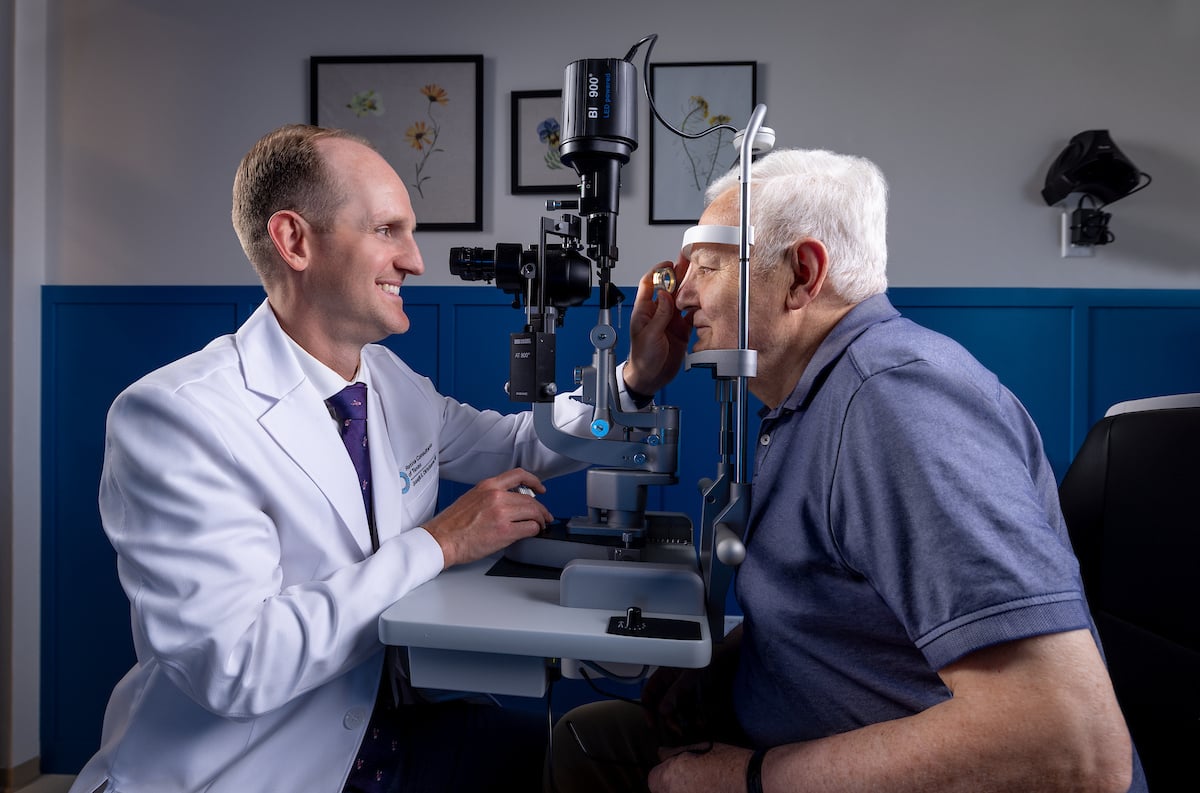
Because vision changes can be subtle and difficult to communicate, routine eye exams can play an important role in supporting individuals living with dementia. By tracking changes over time, providers can identify and treat eye conditions early, increasing the chances of preserving vision.
If you notice behavioral changes that may suggest vision difficulties, scheduling an eye exam can be an important step in helping your loved one maintain comfort, safety, and independence for as long as possible. The team at Retina Consultants of Texas provides comprehensive retinal evaluations and works closely with patients and families to identify and treat vision concerns that may otherwise go undetected. If you have concerns about changes in your loved one’s vision or behavior, don’t wait to seek guidance. Contact us today to schedule an evaluation and learn how our specialists can help protect your loved one’s vision.