

Clinical Trials in Retina Care: What Patients Should Know
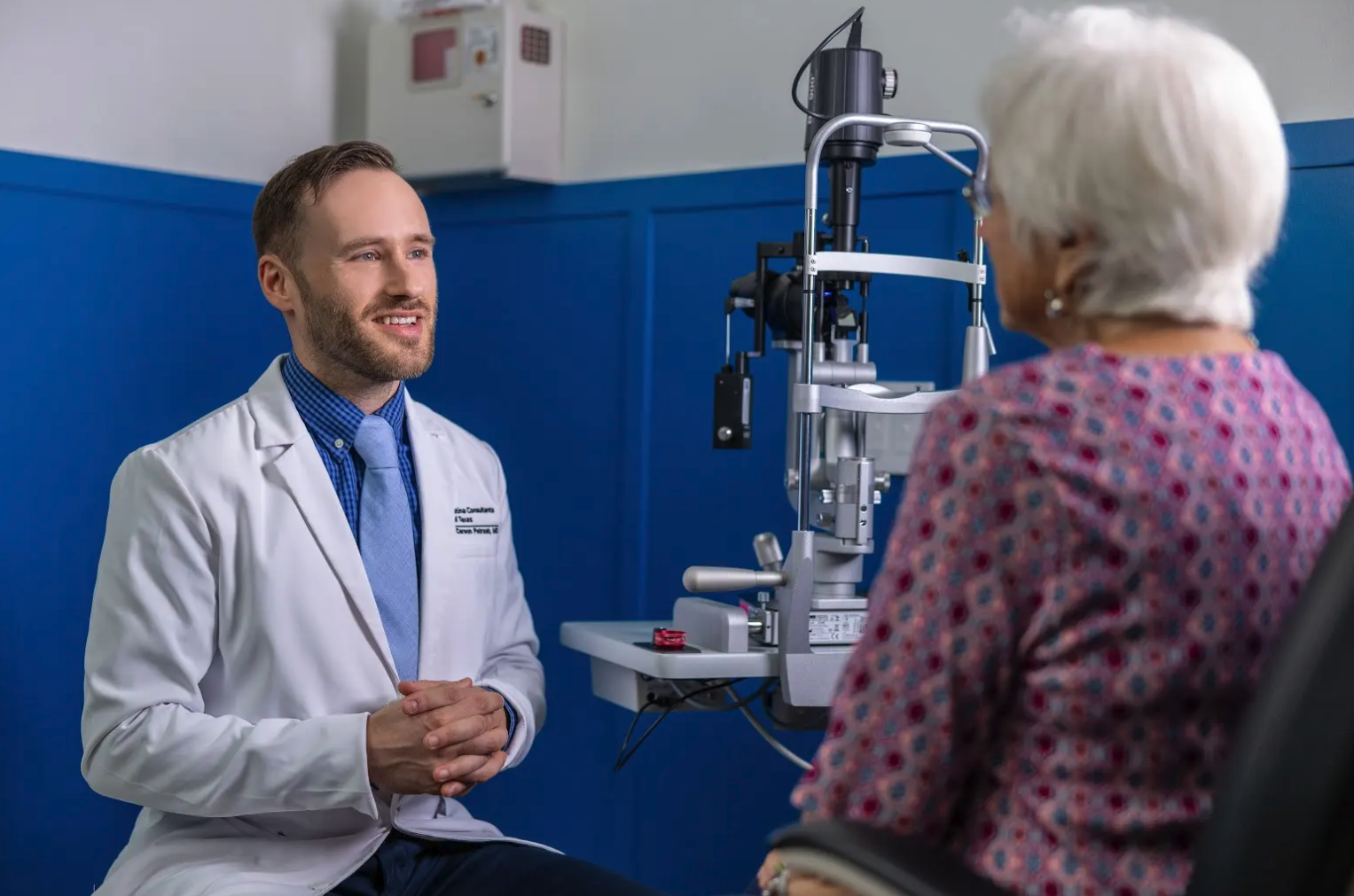
If you've been diagnosed with a retinal disease, you may have more options than you realize. Clinical trials are research studies designed to evaluate new treatments before they're widely available, and for eligible patients, they can open doors to cutting-edge care while also offering the opportunity to contribute to breakthroughs that benefit future patients.
At Retina Consultants of Texas, advancing retina care and putting patients first go hand in hand. Clinical studies are conducted under strict regulatory guidelines and are carefully designed and closely monitored to prioritize patient safety. Every interested patient begins with a comprehensive evaluation, where your physician takes the time to understand your condition before determining whether a study may be an appropriate fit for your treatment plan.
Understanding how this process works can help you have a more informed conversation with your retina specialist about your options.
What is a Clinical Trial?
A clinical trial is a type of research study designed to evaluate new ways to prevent, diagnose, or treat disease. In retina care, this may include new medications, surgical techniques, medical devices, or even new ways of using existing treatments.
Before any therapy becomes widely available, it must go through a series of clinical trials to better understand how well it works and how safe it is. Some studies compare a new treatment to the current standard of care, while others explore options for conditions that may not yet have effective therapies.
How Clinical Trials Advance Retina Care
Every medication, device, or procedure that's available to patients today is the result of decades of clinical research and, crucially, the patients who chose to participate in it.
Since 1995, research led by our team and made possible by our patients has contributed to the development of eight vision-saving treatments now used around the world.
For patients navigating a retinal diagnosis, a clinical trial not only offers options beyond standard care but also a chance to contribute to a broader understanding of retinal disease, help refine treatments, and expand options for future generations.
Who is Eligible to Participate?
Eligibility for a clinical trial is determined on an individual basis. Each study is designed to investigate a specific type or stage of disease, which means not every trial will be appropriate for every patient.
At RCTX, the process begins with a standard appointment. Your physician will review your diagnosis, assess the current state of your condition, and discuss whether any of the center's currently enrolling studies align well with your treatment plan. This evaluation process exists to ensure that participation is both safe and scientifically appropriate for you.
How Patient Safety Is Protected
Clinical research in the United States operates within a rigorous ethical and regulatory framework. Investigators are bound by FDA requirements that govern how studies are conducted, how patients are recruited, and how data is reported and reviewed. Central to this framework is informed consent, which ensures patients are clearly informed of all potential risks, benefits, and alternatives before deciding on whether or not to participate.
All trials are also subject to oversight and approval by an Institutional Review Board (IRB), an independent body responsible for reviewing research protocols and monitoring ongoing studies to protect participant welfare.
At Retina Consultants of Texas, safety and patient comfort are foundational priorities. Every enrolled patient receives expert-level care throughout the duration of a study, with clinical staff closely tracking outcomes and responding to any concerns that arise. Participation is always voluntary, and patients retain the right to withdraw at any time.
Talking to Your Retina Specialist About Joining a Clinical Trial
If you're curious about clinical trials, speak with your retina specialist. They can help you understand whether any current studies are relevant to your diagnosis, what participation would involve, and how it might fit alongside your existing treatment plan.
Whether or not a trial turns out to be the right fit, understanding your full range of options is an important part of making informed decisions about your care. For current patients or those who have explored standard treatment options without the desired results, a clinical trial may be worth discussing. Reach out today to schedule an appointment and learn more.