
What Is Oculomics? How Your Eyes May Reveal More About Your Overall Health
What if a scan of your eye could detect Alzheimer's disease years before a single symptom appeared? It may sound like science fiction, but this is an area of active research that is already shaping clinical practice. A growing field called oculomics is using advanced eye imaging and artificial intelligence (AI) to detect signs of various conditions, including those affecting the heart and brain.
What Is Oculomics?
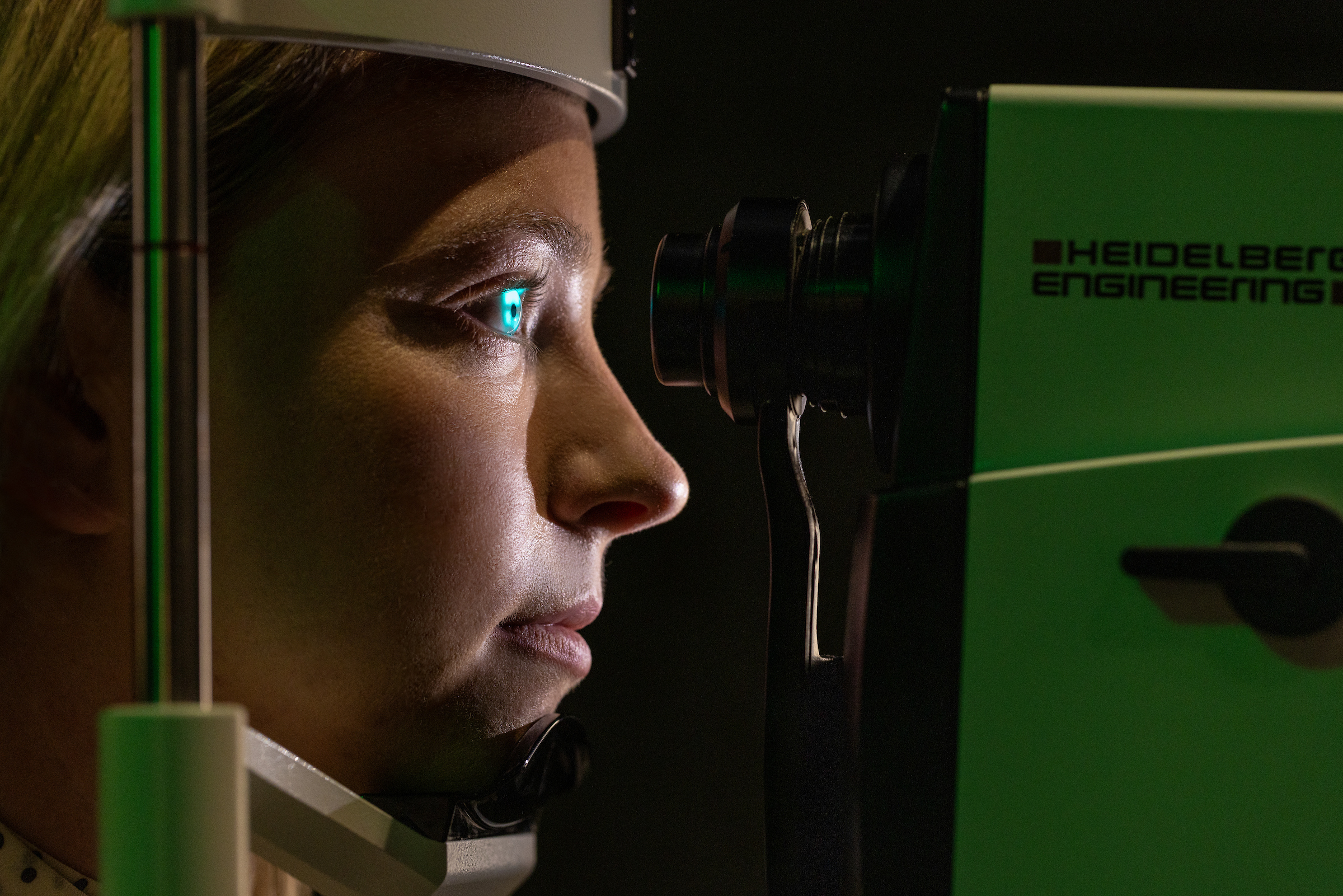
The term “oculomics” combines “ocular,” meaning the eye, with “omics,” which is the study of biological systems using large datasets. In practice, oculomics uses current imaging technology, such as optical coherence tomography (OCT), to image the eye in microscopic detail. These findings are then compared across millions of other scans using AI — which can process and analyze retinal data at a scale and speed no human can match — to identify patterns and signs that may indicate disease elsewhere in the body. These signs, known as biomarkers, are measurable features that can help predict, assess, or flag a condition, often years before it would otherwise be detected.
What Makes Oculomics Possible
Unlike other parts of the body, the eye, particularly the retina, is transparent and easily accessible, allowing providers to view internal structures without invasive testing. The retina also contains a dense network of tiny blood vessels, which are a part of the same circulatory system that supports the heart, brain, and other organs. Subtle changes in the blood vessels of the retina can reflect what's happening on the grander scale of the entire cardiovascular system, potentially flagging early signs of conditions such as heart disease or diabetes before other symptoms appear. In short, the retina acts as a small window into the whole body.
Additionally, the retina is made up of neural tissue and is directly connected to the brain through the optic nerve. Because of this, researchers have found that certain changes in the brain, such as those associated with neurodegenerative conditions like Alzheimer’s disease and Parkinson’s disease, may also be detectable in the retina.
How RCTX Is Advancing This New Frontier
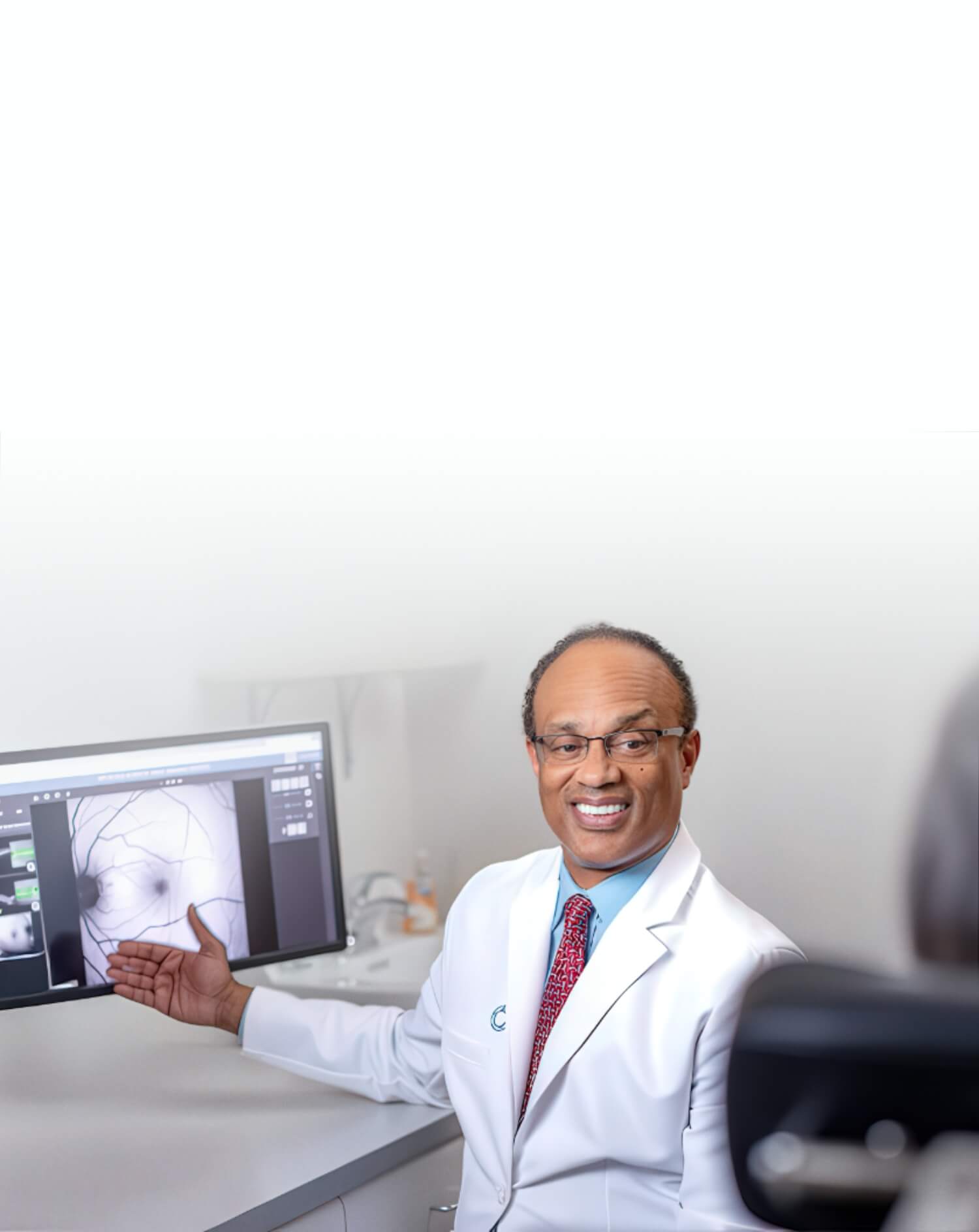
At Retina Consultants of Texas, we are actively investing in the imaging technology that makes oculomics possible. Our use of high-density OCT and advanced diagnostic imaging allows us to capture retinal data at a level of detail that goes far beyond a standard eye exam. OCT has already transformed the diagnosis and management of retinal disease, and as oculomics continues to develop, these technologies may play an expanding role in how we understand connections between eye health and overall health.
We are not yet at a point where a retinal scan alone can diagnose Alzheimer's or predict a heart attack, but we are moving toward a future where the eye exam is a routine part of proactive, whole-body health screening. We believe that investing in this technology now positions our patients and our practice at the forefront of where medicine is heading.
If you have questions about what your retinal imaging may reveal, or want to learn more about the technology we use at RCTX, we encourage you to bring those questions to your next appointment. You may find that a conversation about your eyes can offer insight into more than just your vision.