

When Macular Degeneration Progresses to Geographic Atrophy: What Happens Next
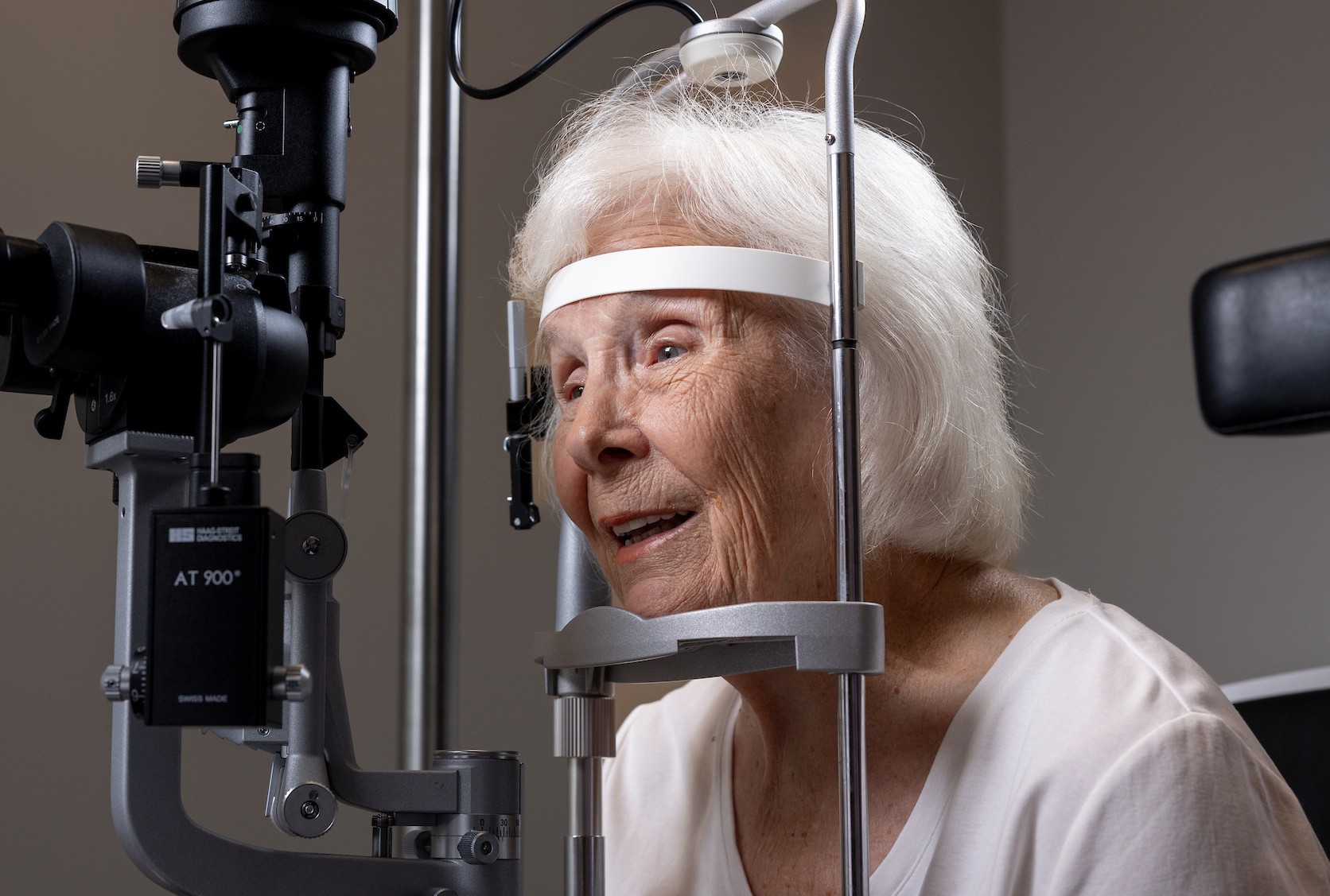
Learning that your macular degeneration has progressed to geographic atrophy (GA) can be difficult news to receive. It’s natural to have questions or concerns about what this means for your vision and daily life. Understanding what GA is, what to expect, and how to move forward can help reduce uncertainty and support your confidence in managing the changes ahead.
Understanding Geographic Atrophy
Age-related macular degeneration (AMD) is a progressive disease, meaning it can get worse over time. Geographic atrophy is considered an advanced form of dry AMD, affecting around 20% of AMD patients. In GA, damage to the retina becomes more severe, leading to the death of light-sensing cells (photoreceptors) and the breakdown of retinal layers. These changes can gradually lead to vision loss.
What to Expect if You’ve Been Diagnosed with Geographic Atrophy
A new GA diagnosis doesn’t mean your eyesight will be lost at once. Most initially begin to notice smaller changes, such as:
- Dullness of colors
- Difficulty making out details or reading small print
- Blurriness
- A dark spot or blind spot in your central line of vision
As you move forward, more frequent eye exams and open communication with your retina specialist will become essential. Ongoing monitoring helps track how GA is progressing, identify changes early, and adjust your care plan in ways that protect your vision and support your daily life.
In the early stages of a GA diagnosis, it’s common to experience emotional changes alongside visual ones. Many patients feel worried, overwhelmed, or unsure about what the future may hold. These feelings are a normal response to change, and it’s okay to give yourself the time to adjust. Reaching out to your care team, loved ones, or a counselor can provide valuable support, and some patients also find comfort and encouragement through low-vision support groups.
Daily Habits That Can Help Slow Progression
While GA can’t be reversed, healthy lifestyle habits can support your eye health and may help slow disease progression:
- Nutrition: A diet rich in leafy greens, colorful vegetables, fish, and healthy fats supports retinal health. Many patients benefit from AREDS2 supplements if recommended by their doctor.
- Quitting Smoking: Smoking is one of the strongest risk factors for AMD progression.
- Healthy Circulation: Managing blood pressure, cholesterol, and cardiovascular health plays an important role in eye health.
Your retina specialist can help personalize these recommendations based on your specific situation.
Low-Vision Aids: Preserving Independence
One of the most empowering steps after a GA diagnosis is exploring and familiarizing yourself with low-vision tools to help with daily tasks.
Helpful options may include:
- High-contrast reading materials
- Magnifiers and electronic reading devices
- Improved lighting in living spaces
- Smartphone accessibility features
Low vision tools can help you make the most of your vision, supporting independence and confidence in daily life.
Partnering With a Retina Specialist
Geographic atrophy does not have to define your future. With consistent monitoring, supportive lifestyle changes, and the right adaptive tools, many patients continue to maintain independence and quality of life.
Regular visits with a retina specialist are essential after a GA diagnosis, not only to monitor disease progression, but also to stay informed about evolving treatment options. Until recently, care for GA focused largely on lifestyle recommendations and vision support. Today, years of innovative research and clinical trials have expanded what’s possible.
Newly approved treatments, including certain eye injections, may help slow the progression of geographic atrophy for some patients. In addition, ongoing clinical trials continue to explore emerging therapies that may further change how GA is managed in the future. Discussing these options with your retina specialist can help you understand which treatments may be most suitable for your specific condition and stage of disease.
At Retina Consultants of Texas, our retina specialists work closely with patients at every stage of macular degeneration, offering personalized care, advanced imaging, and access to the latest research and treatment advances, including clinical trials our physicians have helped support. Whether you’re newly diagnosed or navigating ongoing changes, having an experienced care team can make a meaningful difference.
If you have questions about geographic atrophy or would like to schedule an evaluation, contact us to learn how our team can support your vision.