

Home Safety Tips for People With Low Vision
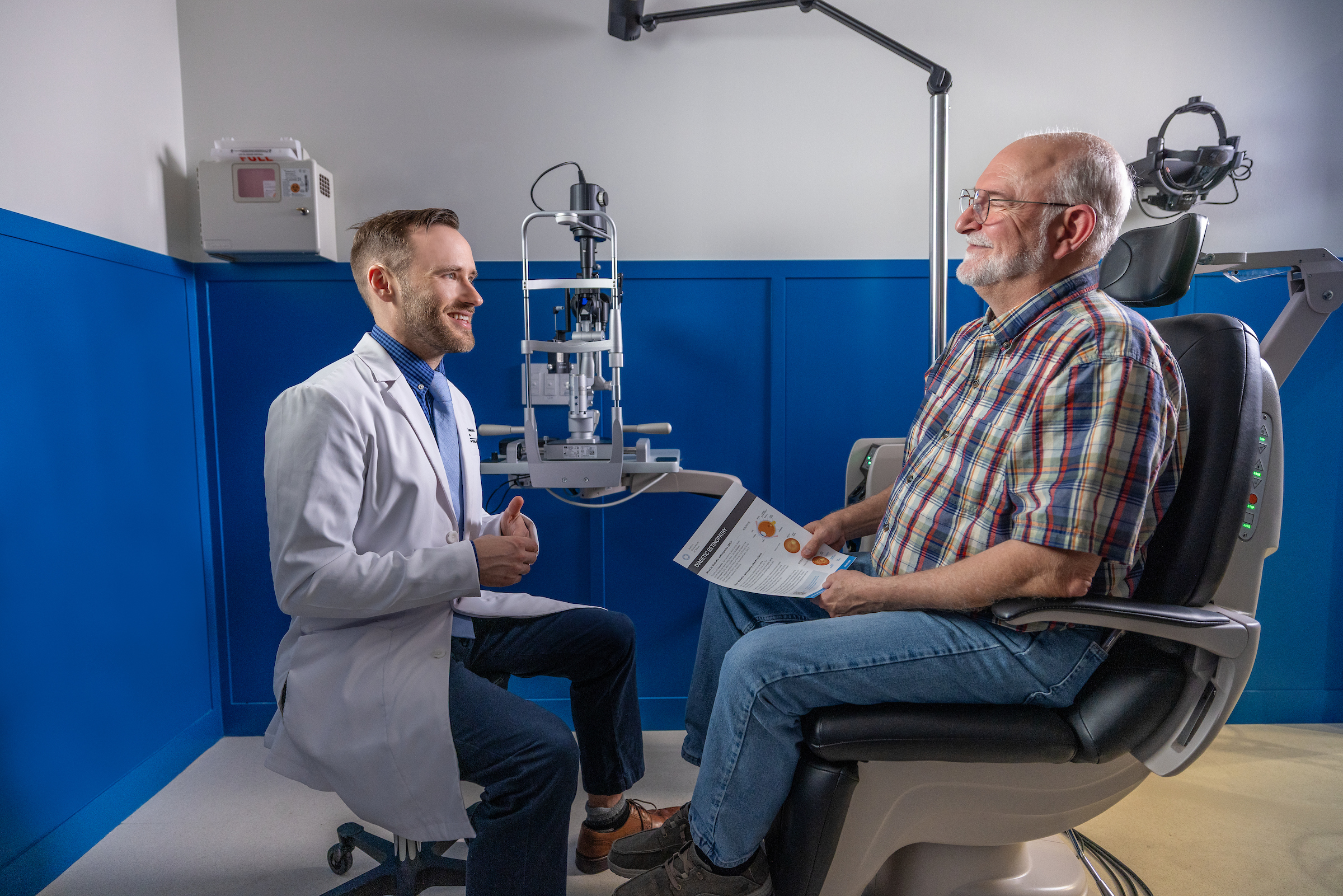
Living with low vision can come with unique challenges, but with a few thoughtful adjustments, individuals can enhance their safety and independence at home. Whether you’re a caregiver, a family member, or someone experiencing low vision yourself, it's important to explore strategies and tools that can improve daily living. Simple modifications, such as optimizing lighting, organizing living spaces, and utilizing adaptive technologies, can make a significant difference in enhancing overall quality of life.
1. Optimize Lighting
Good lighting is crucial for visibility. Here are some tips to consider:
- Use natural light: Keep curtains and blinds open during the day to maximize natural light.
- Add soft, adjustable lighting: Incorporate adjustable floor and table lamps to create brighter spaces. Consider using LED lights, which provide clearer illumination without flickering.
- Minimize glare: Avoid shiny surfaces and consider anti-glare coatings for windows and light fixtures. Dimming lights or using lamps with shades can also help create a more comfortable atmosphere and reduce eye strain in brightly lit environments.
2. Emphasize Contrast
High contrast can significantly aid in navigation and task completion:
- Color coordination: Use contrasting colors for walls, floors, and furniture to differentiate spaces. For example, a dark-colored chair against a light-colored floor can be easily spotted.
- Labeling: Clearly label important items, like medication or household appliances, with bold, contrasting colors to improve recognition.
3. Stay Organized
A well-organized home can prevent accidents and promote independence:
- Declutter: Keep frequently used items within easy reach and remove obstacles from walkways.
- Routine locations: Establish a consistent place for everyday items, such as keys or glasses. This reduces the time spent searching, minimizing the risk of falls.
4. Fall Prevention Strategies
Safety should always be a priority:
- Secure rugs and cords: Use double-sided tape to secure loose rugs and electrical cords to the floor to prevent tripping.
- Install grab bars: Adding grab bars in bathrooms and near stairs can provide extra support when maneuvering around the home.
- Communicate with loved ones: Inform family and friends about your home layout, so they can help ensure a safe environment.
5. Utilize Low Vision Aids
Assistive devices can greatly enhance daily living:
- Magnifiers and telescopes: These can make reading labels or viewing screens much easier.
- Smart technology: Voice-activated devices can help manage tasks without the need for extensive visual interaction.
- Wearable devices: Consider wearable technology designed for low vision, such as smart glasses that provide audio descriptions of surroundings.
Explore Options With Your Eye Care Team
Having low vision can sometimes feel isolating, but you aren’t alone. Your eye care team can monitor your vision and discuss new advancements in low vision aids. Some specialists also offer low vision rehabilitation services, which provide training on how to use adaptive devices effectively. Additionally, be sure to ask about local support groups or resources that can offer additional assistance, information, and community connections.
For advanced care and personalized treatment, turn to the experienced specialists at Retina Consultants of Texas (RCTX). Our physicians can diagnose and treat a wide range of retinal diseases and offer advice and support to help patients navigate changes in their vision.
We’re proud to be the largest retina-only ophthalmology practice in the state, serving patients throughout the Greater Houston and San Antonio areas, including the San Antonio Medical Center, Boerne, Schertz, Beaumont, Katy, Kingwood, Livingston, Pasadena, The Woodlands, College Station, and more. Contact us today for more information or to schedule an appointment.