I Was Diagnosed With Lattice Degeneration. What Happens Next?
If you've recently been diagnosed with lattice degeneration, you may be wondering what it means for your vision and whether you'll need treatment. Although lattice degeneration can increase the risk of retinal tears and detachment, most people with the condition never develop serious complications. Understanding what your diagnosis means, when treatment may be necessary, and which warning signs to watch for can help you take an active role in protecting your vision.
What Is Lattice Degeneration?
Lattice degeneration is the thinning or weakening of the retina, the light-sensitive tissue at the back of the eye that converts incoming light into electrical signals for the brain. This condition is characterized by areas of thinning that may have a lattice-like appearance.
Lattice degeneration can increase the risk of retinal tears or detachments, particularly in individuals who are nearsighted or have a family history of retinal issues. It typically causes no symptoms, and having the condition doesn't necessarily mean you will experience a retinal tear or detachment.
What a Retina Specialist Looks for After Diagnosis
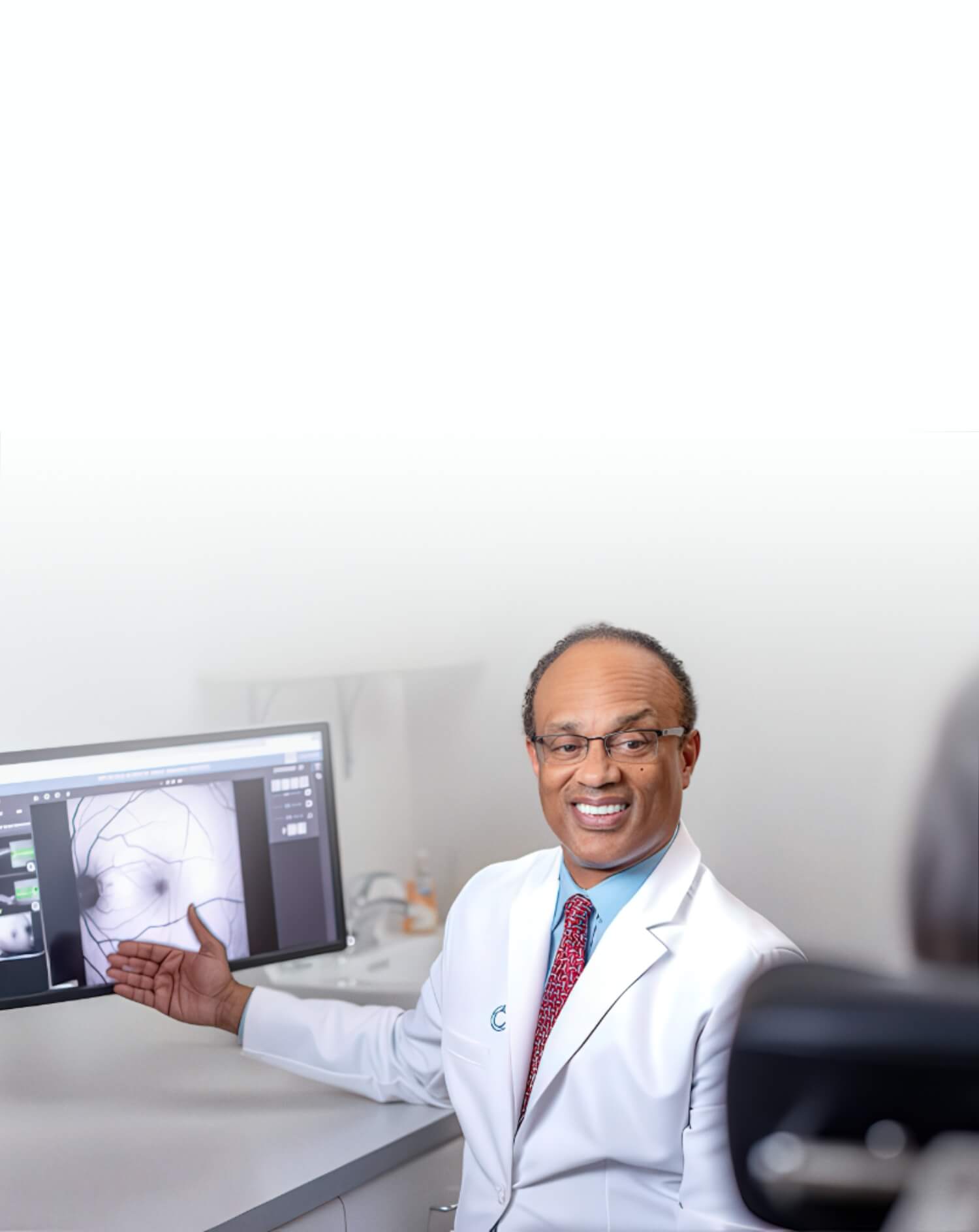
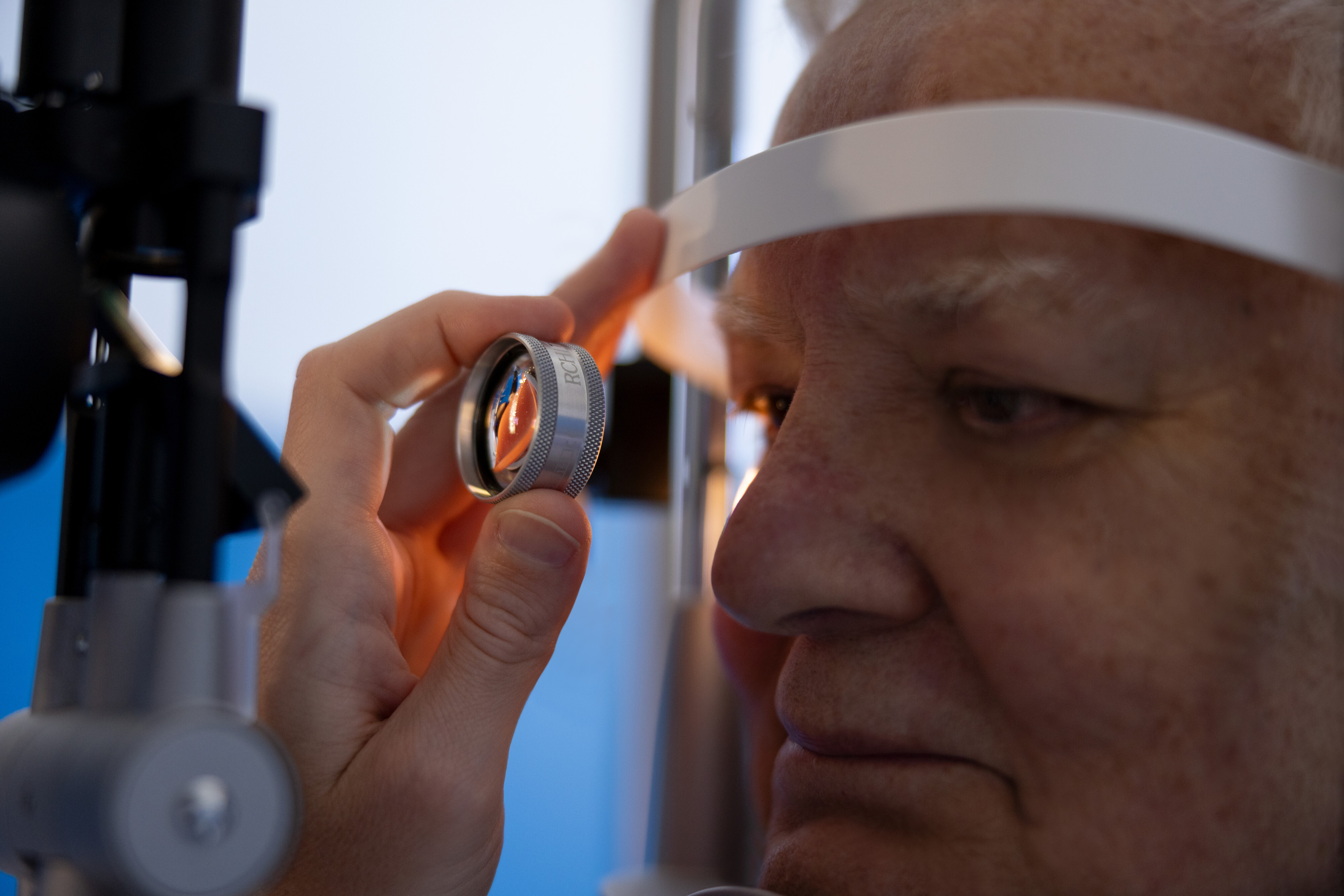
Doctors usually spot lattice degeneration during a routine comprehensive eye exam. After diagnosing lattice degeneration, a retina specialist assesses several critical factors that could increase the risk of retinal detachment. They look for retinal holes or tears, which can develop in areas of weakened retinal tissue. Additionally, they evaluate vitreous traction, which can indicate abnormal pulling on the retina that may lead to further complications.
Other factors may include the extent of degeneration, any associated peripheral retinal changes, and the overall health of the eye. By analyzing these elements, a retina specialist can determine the best course of action to monitor or treat the condition, ultimately aiming to prevent detachment and preserve vision.
Monitoring vs. Preventive Treatment
Not all cases of lattice degeneration require immediate intervention. In many cases, your retina specialist may recommend regular follow-up exams to track any changes in your retina. However, if your doctor identifies risk factors that could lead to a retinal detachment, they may suggest preventive treatment such as laser therapy. This treatment can help seal weak areas of the retina and reduce the risk of detachment.
Recognizing the Warning Signs
Understanding the warning signs of a retinal tear or detachment is essential for anyone diagnosed with lattice degeneration. Be vigilant about any of the following symptoms:
- New flashes of light in your peripheral vision
- A sudden increase in floaters
- The appearance of a curtain or shadow across your vision
- Sudden vision loss or a decrease in your overall vision quality
If you notice any of these symptoms, seek immediate medical attention.
Maintaining Open Communication with Your Retina Specialist
Ultimately, the outlook for lattice degeneration is excellent overall, as almost everyone with it won't ever have a problem. However, if you've been diagnosed with lattice degeneration, it's important to see your retina specialist for regular monitoring and stay aware of potential warning signs.
At Retina Consultants of Texas, we prioritize clear communication, accurate diagnosis and treatment of a wide range of retinal conditions, and guidance on how often patients should return for exams. We’re proud to be the largest retina-only ophthalmology practice in the state, serving patients throughout the Greater Houston and San Antonio areas, including the San Antonio Medical Center, Boerne, Schertz, Beaumont, Katy, Kingwood, Livingston, Pasadena, The Woodlands, College Station, and more.
Contact us today for more information or to schedule an appointment.